
Risk Identification
Identifies weaknesses in systems that could lead to data breaches, hacking, or unauthorized access, protecting sensitive information.
Precision-Driven Cybersecurity Solutions

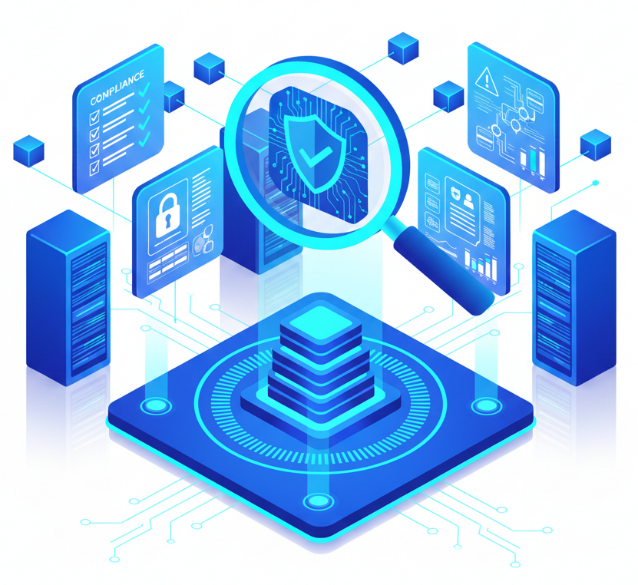
Process of evaluating an organization’s IT systems, processes, and controls to ensure they are secure, reliable, and compliant with policies and regulations.
Let's TalkInformation System Audit is a detailed and systematic process of reviewing and evaluating the various components of an organization’s information technology environment. It is designed to assess whether IT resources like systems, infrastructure, data, networks, and applications are being managed securely, efficiently, and in alignment with the organization’s goals and compliance requirements. The audit focuses on identifying technical flaws and evaluates the effectiveness of operational controls, IT governance, risk management strategies, and internal policies. The audit verifies whether systems are operating without errors, backups are regularly performed, and all security measures are updated and functioning properly. It helps determine whether the organization complies with relevant legal and regulatory requirements. It includes reviewing the physical security of data centers, access control measures, password policies, system logs, and the implementation of cybersecurity frameworks. Auditors also check for access controls, proper documentation of IT processes, and regular user training.
Why It Is Important
Identifies weaknesses in systems that could lead to data breaches, hacking, or unauthorized access, protecting sensitive information.

Helps organizations follow industry regulations and legal requirements related to data privacy and security.

Provides IT teams with a clear understanding of their environment and priorities, focusing on critical areas.

Ensures the confidentiality, availability, and integrity of data. Helps manage and protect information assets while ensuring IT systems operate effectively.

Highlights inefficiencies and outdated practices for improvement.

Audit findings support management in making appropriate IT budget, upgrade, and priority decisions.
Identifies weaknesses in systems that could lead to data breaches, hacking, or unauthorized access, protecting sensitive information.
Helps organizations follow industry regulations and legal requirements related to data privacy and security.
Provides IT teams with a clear understanding of their environment and priorities, focusing on critical areas.
Ensures the confidentiality, availability, and integrity of data. Helps manage and protect information assets while ensuring IT systems operate effectively.
Highlights inefficiencies and outdated practices for improvement.
Audit findings support management in making appropriate IT budget, upgrade, and priority decisions.
What Our Solution Delivers
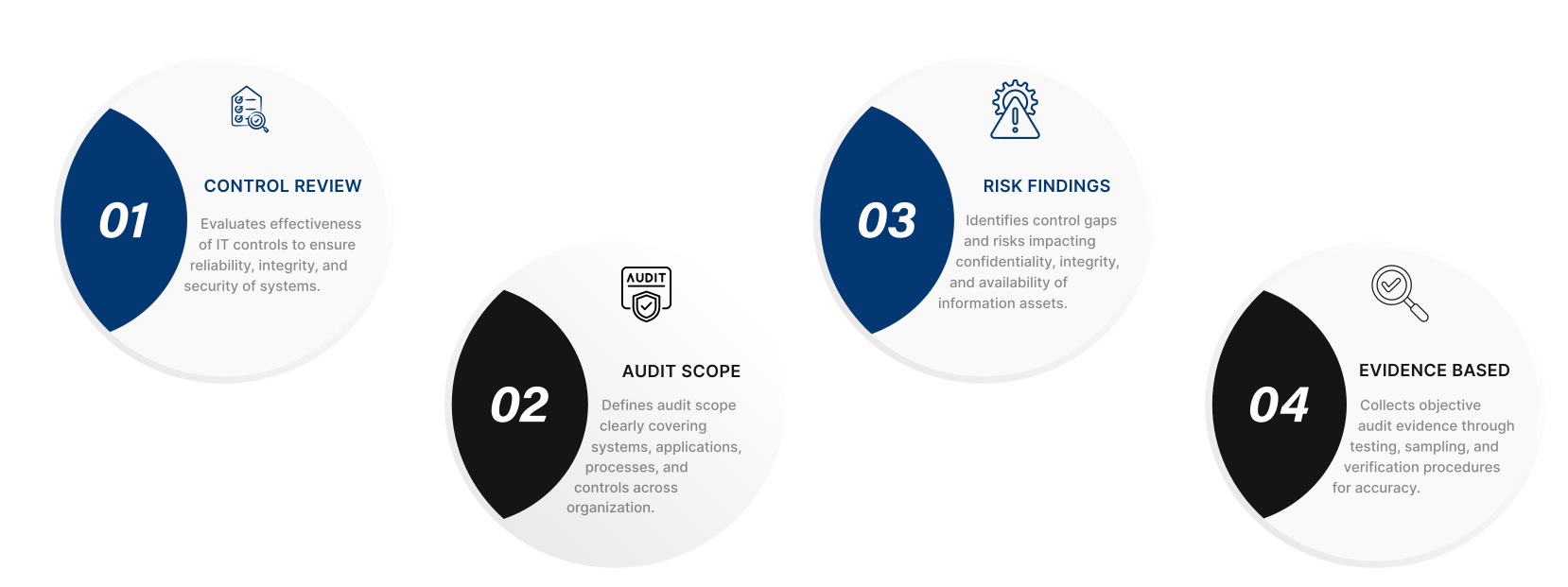
Our Information System Audit solution provides a comprehensive evaluation of your organization’s IT infrastructure, policies, and processes. By assessing system controls, security measures, and compliance with regulatory standards, it identifies gaps, mitigates risks, and ensures the integrity, reliability, and efficiency of your information systems.
Ensures confidentiality, integrity, and availability of sensitive data, reducing the risk of breaches or unauthorized access.
Confirms adherence to government regulations, industry standards, and internal policies.
Verifies that data stored in systems is accurate, complete, and trustworthy.
Detects gaps and weaknesses, allowing issues to be fixed before they become serious.
Provides guidance to enhance IT posture, manage risks, and align IT investments with business goals.
Confirms systems protect data from loss or modification, ensuring data integrity and availability.
Evaluates preparedness for disruptions and operational risks.