
Regulatory Compliance
Helps ensure that the organization complies with laws and regulations, checks data integrity and database performance, and protects against cyber threats.
Precision-Driven Cybersecurity Solutions

Examines access controls, data encryption, configurations, and activity monitoring to ensure sensitive information is protected.
Let's TalkA Database Security Assessment is a process used to evaluate how safe and secure a database is. It ensures that sensitive information, such as customer details or financial data, is protected from hackers or misuse. The assessment begins by identifying all databases within the system and reviewing the type of data they store. It examines who can access the database and verifies that only authorized users have appropriate permissions. It also checks whether strong passwords and additional security measures, such as two-factor authentication, are in place.
The assessment evaluates whether data is encrypted both at rest and in transit. It reviews database configurations to identify weaknesses such as open ports or outdated software. It checks whether security patches and updates are applied regularly to address known vulnerabilities. It also ensures that database activities are logged so that suspicious actions can be detected quickly. Finally, it provides a detailed report highlighting security issues and offering recommendations to improve protection. This helps organizations strengthen database security, maintain regulatory compliance, and protect data from theft, loss, or misuse.
Why It Is Important
Helps ensure that the organization complies with laws and regulations, checks data integrity and database performance, and protects against cyber threats.

Supports business continuity by ensuring the database remains available and accessible at all times.

Helps identify weak points such as poor configurations, outdated software, or unnecessary user access that could be exploited by attackers.

Improves the database’s defense system, making it harder for hackers to exploit vulnerabilities.

Ensures only the right users have access to the data they need, reducing the risk of internal misuse or accidental data loss.

Supports stronger security policies by encouraging the use of strong passwords, regular updates, encryption, and other best practices across the organization.

Ensures logging and alert systems are in place to detect suspicious activities and respond to threats quickly.

Demonstrates to clients and partners that the organization takes data protection seriously, building confidence and trust.
Helps ensure that the organization complies with laws and regulations, checks data integrity and database performance, and protects against cyber threats.
Supports business continuity by ensuring the database remains available and accessible at all times.
Helps identify weak points such as poor configurations, outdated software, or unnecessary user access that could be exploited by attackers.
Improves the database’s defense system, making it harder for hackers to exploit vulnerabilities.
Ensures only the right users have access to the data they need, reducing the risk of internal misuse or accidental data loss.
Supports stronger security policies by encouraging the use of strong passwords, regular updates, encryption, and other best practices across the organization.
Ensures logging and alert systems are in place to detect suspicious activities and respond to threats quickly.
Demonstrates to clients and partners that the organization takes data protection seriously, building confidence and trust.
What Our Solution Delivers
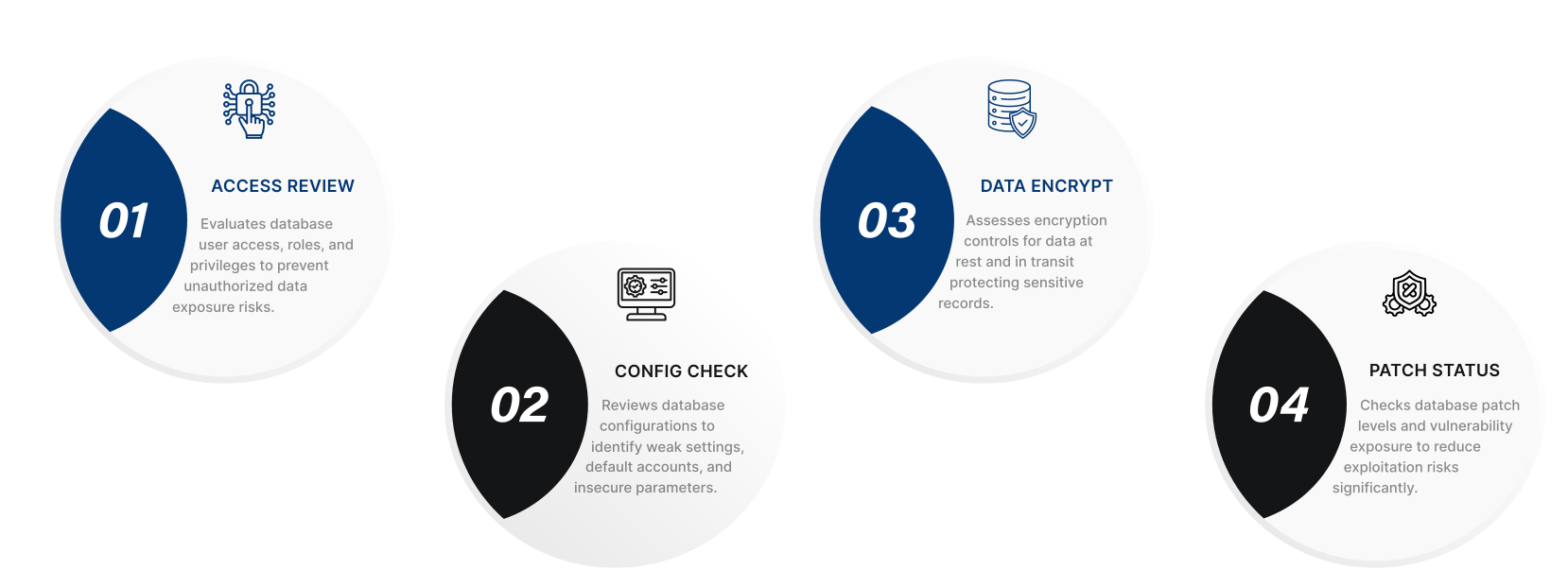
Our Database Security Assessment solution analyzes your database environments to identify vulnerabilities, misconfigurations, and unauthorized access risks. By reviewing permissions, encryption, and compliance settings, it helps strengthen data protection, prevent breaches, and ensure the integrity and confidentiality of critical information stored within your databases.
Ensures logging is enabled and effective, allowing detection of suspicious activities and user behavior.
Verifies that the database software is up to date with the latest security practices.
Identifies risky settings, unused services, and open ports that could expose the database to threats.
Checks whether sensitive data is properly encrypted both at rest and during transmission across networks.
Evaluates login methods like passwords, multi-factor authentication, and role-based access to prevent unauthorized entry.
Analyzes who has access to what data, ensuring that permissions follow the principle of least privilege.
Provides a full review of the database environment, identifying vulnerabilities, misconfigurations, outdated software, and weak access controls.