
Regulatory Compliance
Ensures compliance with data privacy regulations to avoid fines.
Precision-Driven Cybersecurity Solutions

Ensures that organizational practices align with privacy regulations such as GDPR and the DPDP Act.
Let's TalkA Data Privacy Impact Assessment (DPIA) evaluates how an organization’s processes, systems, or projects handle personal data to ensure compliance with privacy regulations such as GDPR, CCPA, or HIPAA. It identifies risks to data privacy, assesses their impact, and recommends mitigation measures to protect sensitive information. A DPIA is critical for organizations handling personal data, helping them meet legal requirements and maintain customer trust by safeguarding privacy.
Why It Is Important
Ensures compliance with data privacy regulations to avoid fines.

Identifies and mitigates privacy risks before they cause harm.

Enhances customer trust by demonstrating commitment to data protection.

Provides clear visibility into data handling practices and risks.

Supports audits with detailed documentation and risk assessments.

Scales to assess privacy across new projects or existing systems.

Reduces legal and reputational risks from privacy violations.

Saves time with structured assessment processes and expert guidance.
Ensures compliance with data privacy regulations to avoid fines.
Identifies and mitigates privacy risks before they cause harm.
Enhances customer trust by demonstrating commitment to data protection.
Provides clear visibility into data handling practices and risks.
Supports audits with detailed documentation and risk assessments.
Scales to assess privacy across new projects or existing systems.
Reduces legal and reputational risks from privacy violations.
Saves time with structured assessment processes and expert guidance.
What Our Solution Delivers
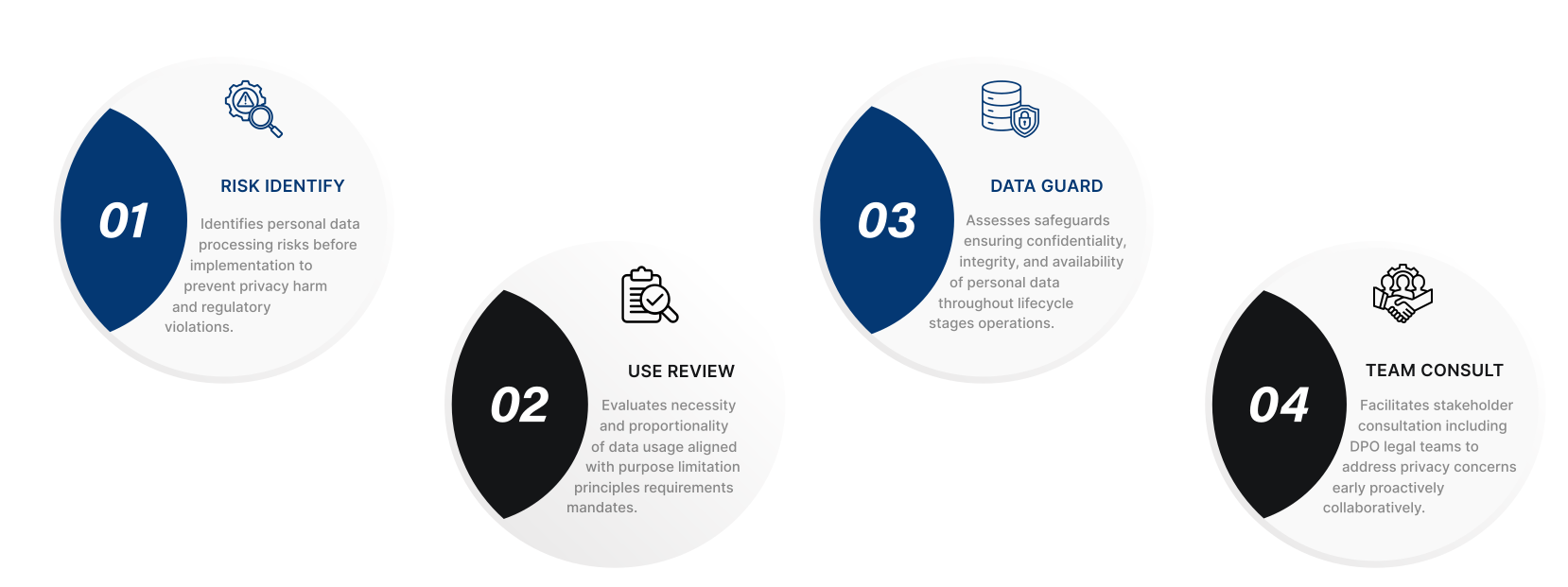
Our Data Privacy Impact Assessment (DPIA) solution evaluates how personal data is collected, processed, and stored to identify potential privacy risks. By analyzing data flows, assessing legal compliance, and recommending mitigation measures, it helps ensure responsible data handling, minimize privacy risks, and maintain compliance with data protection regulations.
Comprehensive assessment of data handling processes and systems.
Identification of privacy risks and their potential impact.
Detailed reports with mitigation recommendations for compliance.
Expert guidance to align practices with privacy regulations.
Ongoing monitoring to ensure continuous compliance.
Documentation for audits and regulatory reporting.