
Uninterrupted Operations
It ensures business continuity during crises or disasters such as pandemics, floods, or cyberattacks.
Precision-Driven Cybersecurity Solutions

Helps organizations prepare for and recover from disruptions by identifying critical processes, managing risks, and ensuring operational resilience.
Let's TalkA Business Continuity Management System (BCMS) is a structured approach that helps organizations keep essential operations running during and after disruptions such as cyber incidents, natural disasters, or supply chain issues. It provides the policies, procedures, and tools needed to prepare for, respond to, and recover from unexpected events effectively. A BCMS typically aligns with global standards like ISO 22301, which outlines best practices for establishing, implementing, and maintaining an effective business continuity framework. It also helps organizations meet specific legal obligations related to business continuity. ISO 22301 certification helps you show partners, clients, and investors that your business is fully prepared and can continue operating even during difficult times. It builds confidence and encourages people to choose and trust your company more.
Why It Is Important
It ensures business continuity during crises or disasters such as pandemics, floods, or cyberattacks.

It helps build customer trust and attract new customers by demonstrating reliability and preparedness.

It helps save money by reducing damage from disruptions and lowering insurance costs.

It helps businesses run smoothly by organizing work better, reducing delays, and staying prepared for emergencies.

It helps meet legal and regulatory requirements and avoids fines or penalties.

It improves internal coordination by enabling faster decision-making during emergencies.

It helps identify weak spots in the organization’s operations.

It works for both small-scale and large-scale businesses.
It ensures business continuity during crises or disasters such as pandemics, floods, or cyberattacks.
It helps build customer trust and attract new customers by demonstrating reliability and preparedness.
It helps save money by reducing damage from disruptions and lowering insurance costs.
It helps businesses run smoothly by organizing work better, reducing delays, and staying prepared for emergencies.
It helps meet legal and regulatory requirements and avoids fines or penalties.
It improves internal coordination by enabling faster decision-making during emergencies.
It helps identify weak spots in the organization’s operations.
It works for both small-scale and large-scale businesses.
What Our Solution Delivers
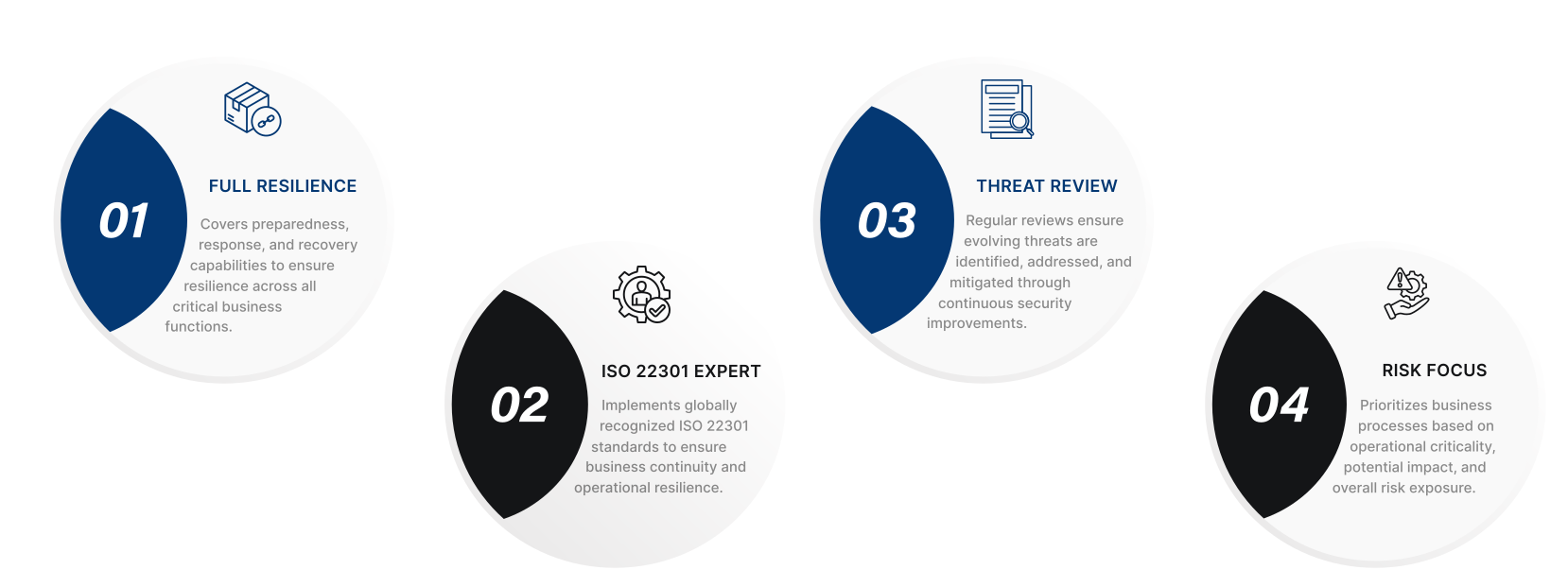
Our Business Continuity Management System (BCMS) solution ensures your organization can continue critical operations during and after disruptions. By identifying key risks, developing recovery strategies, and implementing resilient processes aligned with ISO 22301 standards, it minimizes downtime, protects business assets, and strengthens organizational resilience against unforeseen events.
It provides a full strategy to maintain critical operations during events such as system failures, security breaches, or natural emergencies.
It provides clear roles and responsibilities so everyone knows what to do during a crisis.
It makes daily work more efficient, reducing time spent fixing problems and increasing productivity.
It builds customer trust by showing that the organization is prepared to handle disruptions and maintain business continuity.
It helps your business stay safe by guiding you to spot risks early, understand their impact, and take steps to control them.
It helps you meet regulatory expectations and makes it easier to win contracts where business continuity planning is compulsory.
It encourages regular review and improvement of plans so the business stays ready for future challenges.